American Handmade: A Vintage-Style Display Font for Purposeful Design
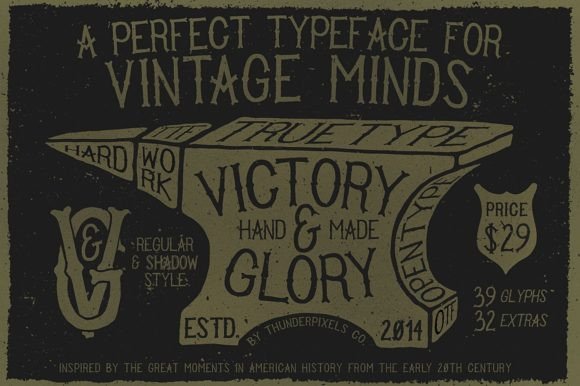
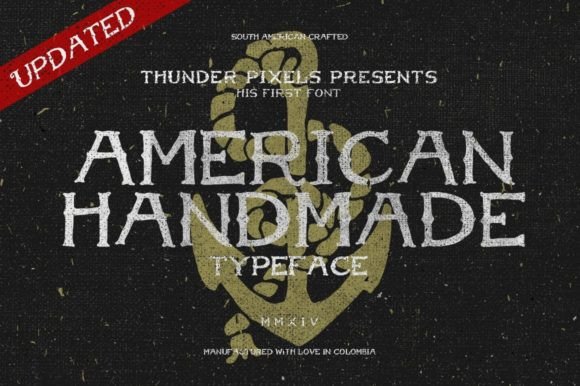
Fonts are more than just letters—they are the foundation of visual communication. Choosing the right typeface can transform a simple message into something memorable, impactful, and aligned with your brand’s identity. American Handmade is a vintage-style display font that brings a unique blend of charm, character, and craftsmanship to any design project. Its hand-drawn aesthetic evokes nostalgia while maintaining a bold presence that commands attention.
Why American Handmade Stands Out in Design Strategy
When selecting a font, many designers default to familiar choices like Helvetica or Times New Roman. While these fonts have their place, they often lack the distinct personality needed for standout visuals. American Handmade, on the other hand, offers a strategic advantage by allowing creators to infuse warmth and authenticity into their work. This makes it especially valuable for brands and individuals aiming to build emotional connections with their audience.
The font's vintage style aligns well with industries such as artisanal products, hospitality, fashion, and lifestyle content. It can also be used effectively in creative marketing campaigns, packaging designs, or even editorial layouts where a personal touch is desired. Its versatility means it isn’t limited to one niche but can adapt to multiple use cases when applied thoughtfully.
Use Cases That Benefit from American Handmade
- Brand Positioning: For small businesses and startups looking to carve out a unique identity, using American Handmade in logos or promotional materials can help establish a sense of heritage and authenticity.
- Marketing Materials: In print or digital ads, this font can make headlines more engaging and relatable, particularly when promoting handmade goods, local services, or community-driven initiatives.
- Creative Projects: Bloggers, publishers, and educators can leverage American Handmade for headers, pull quotes, or chapter titles in magazines and books to create a visually appealing reading experience.
- Product Packaging: The font works beautifully on labels, tags, and boxes for craft beverages, gourmet foods, or home décor items, enhancing perceived value and quality.
Strategic Planning for Effective Font Integration
Incorporating American Handmade into your design toolkit requires careful planning. It’s not just about aesthetics; it’s about how the font supports your overall strategy. Start by defining your goals: Are you trying to evoke nostalgia? Build trust? Stand out from competitors?
If your answer leans toward any of these, American Handmade could be an excellent fit. However, before relying on it heavily, consider how it complements your existing brand assets. Does it pair well with your secondary fonts? Can it maintain legibility at smaller sizes without losing its appeal? These questions will guide your decision-making process and ensure the font enhances rather than hinders your message.
Aligning with Brand Voice and Tone
Every brand has a voice—some are formal, others casual, and some fall somewhere in between. American Handmade fits best with brands that prioritize a warm, approachable tone. If your brand communicates through stories, tradition, or craftsmanship, this font can serve as a powerful visual cue that reinforces those values.
For instance, a boutique coffee shop might use American Handmade in their logo to suggest a locally sourced, artisanal product. A lifestyle blog focused on DIY projects might feature it in headings to reflect the hands-on nature of their content. These are not random choices; they’re intentional decisions made to strengthen brand perception and customer engagement.
Practical Tips for Using American Handmade
To maximize the impact of American Handmade, consider these practical tips:
- Limit Usage to Key Elements: Reserve this font for headlines, logos, or accents. Overusing it can lead to visual fatigue and reduce readability in body text.
- Pair Thoughtfully: Combine it with a clean sans-serif or serif font for contrast. This ensures your design remains balanced and functional across different formats.
- Test Across Platforms: Before finalizing a design, test the font on various devices and screen sizes to ensure it retains clarity and consistency.
- Use Color Strategically: The vintage feel of American Handmade pairs well with muted tones like earthy greens, deep reds, or rustic browns. But don't shy away from bolder colors if they align with your branding.
Design Examples to Inspire Strategic Use
Imagine you're launching a new line of leather goods. Your packaging needs to communicate quality and timelessness. By using American Handmade for the product name and tagline, you immediately set a tone of craftsmanship and authenticity. Supporting copy can then be presented in a complementary font to maintain balance and enhance readability.
Another example: a nonprofit organization dedicated to preserving traditional arts might use this font in their campaign posters to evoke a sense of history and community. When paired with high-quality imagery and concise messaging, the result is a compelling visual narrative that resonates with supporters and donors alike.
What to Consider Before Relying on American Handmade
While American Handmade is undeniably cool and versatile, it’s not always the right choice. Before committing to it, ask yourself:
- Does the font support the tone and intent of my message?
- Will it remain legible in both print and digital formats?
- Is it appropriate for the target audience and context?
These considerations are essential because fonts influence how your audience perceives your content. Using American Handmade without clear context can lead to confusion or dilute your message. Always evaluate whether the font serves a purpose beyond just being “stylish.”
Risks of Unintentional Use
One of the biggest risks of using American Handmade is applying it without considering the broader design ecosystem. For example, if your website uses a modern, minimalist layout, adding a vintage-style font like American Handmade could clash with the overall aesthetic unless done intentionally. Similarly, using it in body text can compromise readability, which affects user experience and potentially harms conversion rates.
Without a clear goal, you risk making your design look amateurish or inconsistent. Fonts should be selected based on function, not just form. Think about what you want your audience to feel or understand when they see your message. Then choose a font that helps you achieve that outcome.
How to Approach American Handmade for Long-Term Value
Integrating American Handmade into your design process should be part of a larger typography strategy. Start by creating a typography hierarchy that defines where and how each font will be used. This helps maintain consistency across all touchpoints and ensures the font doesn’t become a distraction.
Also, consider licensing and accessibility. Ensure that the font is properly licensed for commercial use and accessible to people with visual impairments. Sometimes, subtle adjustments like increasing stroke weight or adjusting letter spacing can improve readability without compromising the font’s charm.
Building a Typography System Around American Handmade
Creating a typography system around American Handmade involves more than just choosing a font—it’s about building a cohesive visual language. Here’s how to do it:
- Identify primary, secondary, and accent fonts.
- Define specific use cases for each (e.g., American Handmade for headlines only).
- Set guidelines for color, spacing, and sizing to maintain consistency.
- Review and refine the system periodically to ensure it still supports your evolving brand.
This structured approach ensures that every element of your design—from the smallest label to the largest headline—works together to deliver a unified message.
Decision-Making Guidance for Maximum Impact
Choosing American Handmade should be a deliberate step in your design process. Ask yourself:
- Am I using this font to enhance storytelling or brand identity?
- Does it add value to the user experience, or is it just decorative?
- Can I clearly articulate why this font was chosen over others?
Answering these questions will help you avoid impulsive design choices and instead make informed decisions that align with your long-term objectives. Remember, great design is about solving problems, not just expressing style.
Benchmarking Against Other Display Fonts
While American Handmade has a unique appeal, it’s important to benchmark it against other display fonts in your library. Compare it with similar styles like Brooklyn, Great Vibes, or Playfair Display to determine which one better suits your needs. Factors to consider include:
- Legibility at different sizes
- Compatibility with your brand’s color palette
- Emotional resonance with your audience
- Technical performance across platforms
By evaluating these factors, you can make a data-informed decision that balances creativity with functionality.
Long-Term Results Through Intentional Typography
Typography is a critical component of branding and communication. Fonts like American Handmade offer more than just visual appeal—they can shape perceptions, reinforce messages, and ultimately drive better results. When used intentionally, this vintage-style display font becomes a strategic asset that supports your creative and business goals.
Whether you’re designing a logo, crafting a social media post, or developing a print campaign, American Handmade provides a distinctive edge that sets your work apart. But success comes from thoughtful application. Understand the context, define your goals, and let the font serve a clear purpose within your design framework.
Continuous Evaluation and Adaptation
As trends evolve and audiences change, so should your typography strategy. Regularly assess how American Handmade contributes to your outcomes. Is it helping you stand out? Is it supporting your message effectively? If it no longer aligns with your brand’s direction, don’t hesitate to adapt. Flexibility in design ensures lasting relevance and effectiveness.
By treating typography as a strategic tool rather than a stylistic flourish, you position your brand for stronger communication, better engagement, and more meaningful interactions with your audience. American Handmade is more than just a cool font—it’s a choice that reflects intentionality, purpose, and a commitment to quality in everything you create.