Dolphin Font: A Playful and Versatile Choice for Designers and Creators
Fonts play a crucial role in design, influencing how messages are perceived and experienced. Among the many options available, Dolphin stands out as a unique and charming decorative typeface that blends beauty with functionality. Known for its fresh, playful, and fun aesthetic, Dolphin is ideal for both formal school projects and informal kid’s activity creations. Whether you're an educator, marketer, blogger, or hobbyist, understanding when and how to use this font effectively can elevate your work and avoid common pitfalls.
What Makes Dolphin Unique?
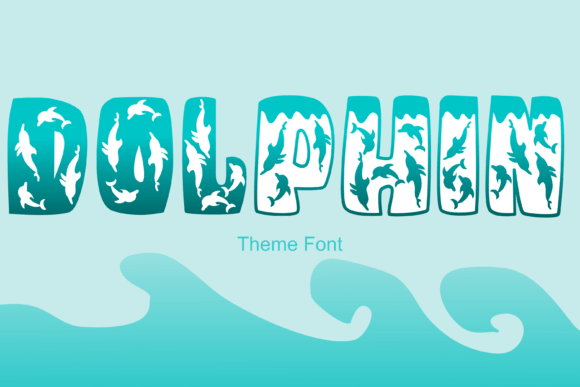
Dolphin is not just another pretty font; it's a carefully crafted decorative style that brings a sense of joy and creativity to any text. Its soft curves, whimsical characters, and balanced proportions make it easy on the eyes while still capturing attention. This font is especially popular in educational materials, greeting cards, social media content, and branding for children-oriented businesses or events.
Creators love Dolphin because it adds personality without overwhelming the reader. It works well in headings, logos, posters, and other visual elements where impact and approachability are key. However, its versatility doesn't mean it's appropriate for every situation — which is why it's important to understand the nuances of using it correctly.
Common Mistakes When Choosing Dolphin
One of the most frequent errors people make when selecting Dolphin is assuming it works well in all contexts. While it shines in creative and informal settings, using it for long-form reading (like body copy in reports or websites) can lead to decreased readability. The playful nature of the font may distract from the message rather than enhance it.
Another mistake is downloading unverified versions of Dolphin online. Many free font sites offer pirated or low-quality alternatives that don’t match the original. This can result in inconsistent rendering across devices and platforms, affecting the professionalism of your final product.
Overlooking Licensing Terms
Before using Dolphin, always check the licensing agreement. Some decorative fonts have restrictions on commercial use or require attribution. If you're using it for a client project or selling merchandise, failing to comply with these terms could lead to legal complications. Always confirm whether the font is suitable for your intended purpose before finalizing your design.
Using It Without Contrast
Dolphin has a light, airy feel that needs to be balanced with strong supporting elements. Placing it over busy backgrounds or pairing it with similar decorative fonts can muddy the overall design. For instance, using Dolphin alongside another script or hand-drawn font might reduce clarity and create visual clutter.
A better approach is to pair it with a clean sans-serif or serif font for body text. This ensures your message remains legible while still benefiting from the charm of Dolphin in headlines or titles.
How to Use Dolphin Effectively
To get the most out of Dolphin, start by defining its role in your design. Is it for a heading, a logo, or a short quote? Once you've established its function, consider the following tips:
- Use Sparingly: Reserve Dolphin for accents or focal points rather than large blocks of text. This maintains readability and highlights the font’s strengths.
- Optimize Color and Background: Choose high-contrast colors and simple backgrounds to ensure the font stands out. Avoid placing it on gradients or patterns unless they’re subtle and complementary.
- Test Across Devices: Make sure Dolphin looks consistent on different screens and print formats. Sometimes, decorative fonts render differently depending on the operating system or browser.
Realistic Examples of Dolphin Usage
Here are a few scenarios where Dolphin can shine:
- Children’s Books or Activity Sheets: Dolphin’s friendly and inviting appearance makes it perfect for engaging young readers or participants. Try it for chapter titles or headers in coloring books or worksheets.
- Marketing Materials for Educational Brands: If you're promoting a tutoring service, summer camp, or school-related event, Dolphin can add a warm and welcoming touch to your banners or flyers.
- Social Media Graphics: On platforms like Instagram or Facebook, Dolphin can help craft eye-catching captions or hashtags that reflect a lighthearted tone.
Better Approaches for Using Dolphin
Instead of relying solely on Dolphin for entire designs, consider integrating it into a layered layout. For example, if creating a poster for a school fair, use Dolphin for the title and then switch to a more traditional font like Helvetica or Georgia for the description and details. This creates harmony and guides the viewer’s attention naturally.
Also, pay attention to spacing and sizing. Because Dolphin has exaggerated features, it may need more white space around it to breathe. Adjusting the line height or letter spacing can significantly improve its legibility and visual appeal.
When Dolphin Might Not Be the Best Fit
While Dolphin is versatile, it isn’t a one-size-fits-all solution. Here are some situations where it might not serve your needs:
- Professional Reports or Academic Papers: These typically require formal, readable fonts like Times New Roman or Arial.
- Websites with Large Amounts of Text: Web developers often prefer fonts optimized for digital screens, such as Roboto or Open Sans.
- Branding That Needs Seriousness: If your brand image is professional or corporate, Dolphin might not align with the desired tone.
Key Checks Before Committing to Dolphin
If you're considering using Dolphin for your next project, take a moment to evaluate the following:
- Readability Test: Print out a sample or view it on multiple screens to see how well it holds up under various conditions.
- Licensing Agreement: Confirm whether the font allows for commercial use and redistribution. You can usually find this information on the font provider’s website.
- Font Compatibility: Ensure Dolphin supports the language characters you need. Some decorative fonts lack extended character sets, making them unsuitable for multilingual content.
- Design Harmony: Ask yourself if Dolphin complements the rest of your design. Does it clash with images or other fonts? Strive for balance and cohesion.
Where to Find the Right Version of Dolphin
To download or purchase Dolphin, visit trusted font marketplaces like Adobe Fonts, Google Fonts, or MyFonts. These platforms provide verified licenses and installation files, reducing the risk of using counterfeit versions. Always read the fine print before purchasing to understand usage rights and limitations.
If you're unsure about which version to choose, look for user reviews or previews. Many platforms allow you to test the font within your design software before buying. This helps you gauge its suitability for your specific project.
Why Quality Matters
Choosing the correct source for Dolphin affects more than just aesthetics — it impacts efficiency and cost. Low-quality or pirated fonts may cause formatting issues, requiring rework and increasing production time. In contrast, investing in a licensed version ensures smooth integration and eliminates potential problems down the line.
Additionally, quality fonts often include bonus styles, weights, or glyphs. These extras can expand your design possibilities and save you from needing to buy additional fonts later.
Conclusion
Dolphin is a beautiful and sweet decorative font that offers a fresh, playful, and fun look to a wide range of projects. From school presentations to kid-friendly marketing campaigns, it can bring warmth and creativity to your designs. But like any font, it requires thoughtful application to maximize its effectiveness.
By avoiding common mistakes such as misusing it in long texts, ignoring licensing, or pairing it with incompatible styles, you’ll ensure your final output is both visually appealing and professionally sound. Always test Dolphin in your chosen context and consider how it interacts with color, spacing, and supporting elements.
With the right approach, Dolphin can become a valuable asset in your creative toolkit — one that helps you stand out while staying true to your audience and message.