Butterbread: A Handwritten Font for Creative Designs
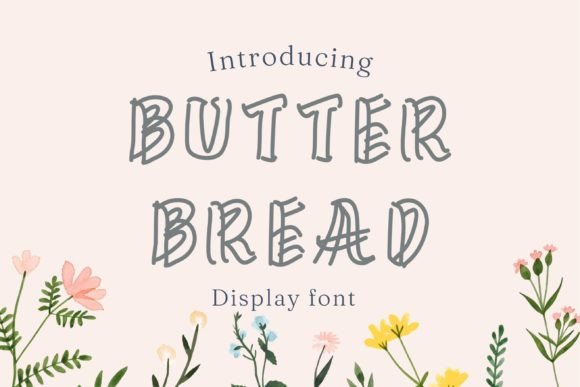
Typography plays a crucial role in design, influencing how we perceive brands, messages, and aesthetics. Butterbread is a unique display font that stands out with its handwritten style and elegant stroke lines. Designed to bring warmth and personality to visual projects, it’s ideal for use in concept wording, quotes, and creative branding on products like mugs, shirts, posters, and more. Whether you're a designer, marketer, educator, or hobbyist, understanding the versatility of Butterbread can help you make better typographic choices.
What Makes Butterbread Unique?
At first glance, Butterbread feels personal and expressive. Its handwritten appearance mimics the fluidity of real ink strokes, making it feel less mechanical than many digital fonts. The combination of soft curves and deliberate line variations gives it character without overwhelming the viewer. This makes it especially suitable for designs where readability isn’t the top priority but emotional impact and visual appeal are.
Compared to traditional serif or sans-serif fonts, Butterbread offers a more organic look. It's not meant for long blocks of text—its charm lies in short bursts of content such as headlines, taglines, or inspirational quotes. The subtle imperfections in each letterform reflect a human touch, which can be particularly appealing in modern design where authenticity is valued.
Why Different Audiences Care About Butterbread
The same font can mean different things to different people. For instance, a graphic designer may appreciate Butterbread for its aesthetic flexibility, while an entrepreneur might value its ability to add warmth to product packaging. Let’s explore how various groups might find it useful:
For Beginners: An Accessible Way to Add Personality
If you're new to design tools like Canva or Adobe Photoshop, choosing the right font can feel daunting. Butterbread simplifies this by offering a visually striking option that doesn’t require advanced skills to use effectively. Its legibility at larger sizes means it works well for beginners who want to create eye-catching social media posts, posters, or promotional materials without worrying about complex kerning or spacing adjustments.
Example: A beginner blogger designing a cover image for a cozy lifestyle post could use Butterbread for the title to evoke a sense of comfort and creativity.
For Creators and Freelancers: Expressing Brand Identity
Freelance designers and independent creators often need to showcase their brand with a signature look. Butterbread can help establish a distinctive voice, whether they’re working on logos, greeting cards, or editorial illustrations. Its natural feel supports creative storytelling and adds a layer of sophistication to otherwise simple compositions.
Tip: Pairing Butterbread with a clean, modern sans-serif font can balance the design, preventing it from feeling too cluttered while maintaining a cohesive visual language.
For Business Owners: Enhancing Product Packaging and Marketing Materials
Small business owners looking to differentiate their products in a crowded market can benefit from using Butterbread on branded items. Its handwritten style conveys approachability and craftsmanship, which can be especially effective for artisanal goods, home décor, or food-related businesses. When used on product tags, labels, or promotional banners, it helps create a memorable impression that aligns with a brand's values.
Example: A boutique coffee shop could use Butterbread for custom-designed mugs with motivational phrases, adding a personal touch that customers would love to own and share online.
For Educators and Presenters: Visual Engagement in Teaching Materials
Educators often rely on visual aids to keep students engaged. Butterbread can serve as a great tool for creating attention-grabbing headers in presentations, handouts, or classroom decorations. While it shouldn't replace body text, using it sparingly for key takeaways or discussion prompts can make learning materials more dynamic and relatable.
Pro Tip: Use Butterbread in conjunction with bold colors or contrasting backgrounds to emphasize important concepts without sacrificing clarity.
Practical Applications Across Industries
Its adaptability makes Butterbread relevant across multiple fields. Here are some ways professionals in different industries might incorporate it into their work:
- Marketing: Create Instagram carousels, email headers, or event invitations that stand out with a friendly yet stylish vibe.
- Web Design: Feature Butterbread in hero sections or call-to-action buttons to give a website a warm, inviting tone.
- Merchandise: Print it on T-shirts, tote bags, or phone cases for a casual, artistic look that appeals to consumers seeking unique fashion items.
- Editorial Design: Use it in magazine covers, blog headers, or book titles to capture attention and set a creative mood.
Cost and Commercial Use Considerations
One of the first things most users consider when selecting a font is cost and licensing. Butterbread is available through several font marketplaces, and depending on your needs, you may choose between free and premium versions. Always check the license agreement before using it commercially, especially if you plan to sell products featuring the font.
Example: A small print-on-demand store owner should ensure they have the correct commercial rights to use Butterbread on merchandise like mugs or apparel to avoid legal issues later.
How to Choose If Butterbread Is Right for You
Deciding whether to use Butterbread depends on your goals and the context of your project. Ask yourself these questions to determine if it fits your needs:
- Do I want to convey a personal, artistic, or handmade feel?
- Will the font be used primarily in large text formats like headings or slogans?
- Is the design intended for digital platforms or physical products?
- Am I targeting an audience that values creativity and emotion over strict formality?
If you answered yes to any of these, Butterbread could be a great fit. However, if your project requires high readability in small sizes (like body text in a report), it may not be the best choice.
Testing and Experimentation
Before finalizing Butterbread for a project, try it out in different scenarios. Many design tools allow you to preview fonts against mockups. See how it looks on a white background versus a dark one, or test it alongside other fonts to ensure it complements your overall design.
Fonts.com or MyFonts offer live previews that let you see how Butterbread might appear in a variety of applications.
Long-Term Value and Versatility
While Butterbread is a display font, its usefulness isn’t limited to just one project type. Over time, you may find it valuable for seasonal campaigns, limited edition products, or collaborative projects with other creatives. Because of its broad appeal, it can remain a go-to font in your library for years to come.
Experienced users may also appreciate how it integrates with other design elements. Its softness can contrast nicely with geometric shapes or bold photography, allowing for a balanced composition that draws the eye naturally toward the message.
When to Avoid Butterbread
Even the best fonts aren't always the right choice. Butterbread’s handwritten nature means it lacks the precision needed for formal documents, technical manuals, or anything requiring dense information reading. In those cases, sticking to more structured fonts ensures clarity and professionalism.
Additionally, since it's a decorative font, it may not pair well with every color scheme or layout. Test it in your specific design environment before committing to large-scale use.
Final Thoughts on Using Butterbread Effectively
Font selection is more than just picking what looks nice—it’s about aligning typography with the purpose and tone of your message. Butterbread brings a sense of warmth and creativity that can elevate your designs in subtle but powerful ways. By considering your audience, project scope, and stylistic goals, you can decide if it’s the right addition to your toolkit.
Whether you're a hobbyist trying something new or a professional looking to refresh your portfolio, experimenting with Butterbread can open up exciting creative possibilities. Just remember to use it thoughtfully and strategically, ensuring it enhances rather than distracts from your overall design vision.