Cream Cheese: A Versatile Font for Modern Design and Branding
Fonts are more than just tools for communication; they’re visual signatures that shape the identity of brands, products, and creative projects. Among the many fonts available to designers today, Cream Cheese stands out as a bold display font with smooth, luscious curves that evoke a sense of indulgence and elegance. Its name alone hints at its unique aesthetic — much like the creamy texture it represents, Cream Cheese is soft yet striking, making it ideal for use in restaurant menus, social media posts, logos, product packaging, and other design elements where a delicious accent is needed.
What Is Cream Cheese?
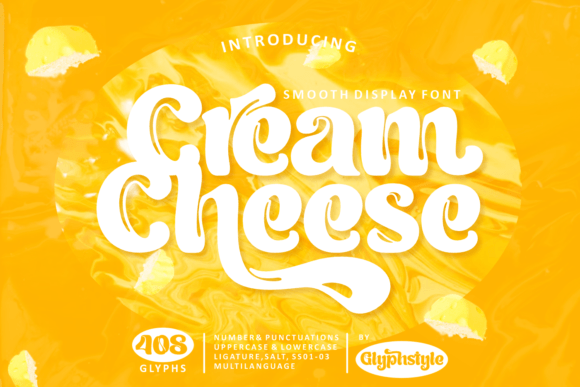
Cream Cheese is a modern display typeface designed to capture attention with its rich, flowing forms. The letters resemble melted cream, giving the font a warm and inviting feel. This makes it especially appealing in contexts where you want to create an atmosphere of comfort, luxury, or approachability. As a PUA-encoded font, Cream Cheese offers users easy access to all glyphs and swashes, ensuring flexibility and control when customizing text for various platforms and applications.
The font’s design philosophy centers around readability and style. While it may not be suitable for body text due to its decorative nature, Cream Cheese shines in headlines, call-to-action buttons, and branding elements. It combines a playful energy with a professional finish, allowing it to adapt across industries from food and beverage to fashion and lifestyle.
Fitting Into Industry and Creative Trends
In today’s competitive digital landscape, standing out is essential. Cream Cheese aligns perfectly with current trends in typography and branding that emphasize personality and visual storytelling. As consumers become more discerning and saturated with generic designs, businesses and creators are seeking fonts that can add emotional resonance and uniqueness to their content.
One such trend is the rise of “foodie aesthetics” in marketing and design. With the growing popularity of culinary culture, food photography, and restaurant branding, there's a demand for fonts that complement these themes without being cliché. Cream Cheese does this by offering a tactile, sensory experience through its typographic form — evoking the softness and richness of a beloved dairy product. Whether used on a bakery logo or a café menu, it helps create a cohesive visual language that resonates with audiences craving authenticity and warmth.
Moreover, the font fits into the broader movement toward human-centric design. In user experience (UX) and interface (UI) design, the focus has shifted from purely functional layouts to ones that feel more personal and engaging. Cream Cheese, with its expressive characters and fluid strokes, contributes to this shift by adding a touch of humanity and creativity to otherwise sterile digital environments.
Why People Are Paying Attention to Cream Cheese
Designers and marketers are increasingly drawn to Cream Cheese because of its ability to convey both sophistication and playfulness. In a world where first impressions matter, the right font can make all the difference. For instance, a boutique coffee shop using Cream Cheese in its branding could instantly communicate a sense of quality and artisanal care — qualities that resonate deeply with today’s conscious consumer.
- Restaurant Menus: The font’s creamy appearance complements the theme of comfort food, desserts, and artisanal items. It adds a layer of sensuality to descriptions of dishes and drinks.
- Social Media Posts: On platforms like Instagram and Pinterest, where visuals dominate, Cream Cheese helps content pop while maintaining a soft, inviting tone.
- Logos and Branding: Its bold yet smooth character makes it a strong choice for creating memorable brand identities, particularly in the food, beauty, and wellness sectors.
- Product Packaging: From gourmet cheeses to baked goods, the font can elevate the perceived value of a product through its elegant and appetizing design.
These applications have led to increased adoption among small businesses and independent creators who aim to differentiate themselves visually. The font is also gaining traction in editorial design and event invitations, where a touch of whimsy can enhance the overall experience.
Changing Needs and Expectations in Typography
As the design industry evolves, so do the expectations of professionals and consumers alike. One major shift is the move away from rigid, overly formal fonts toward more expressive, context-aware typography. Cream Cheese meets this need by providing a balance between artistic flair and legibility. It allows designers to inject emotion and narrative into their work without compromising clarity.
Another key development is the integration of typography into multi-platform branding. With the proliferation of mobile devices, websites, and print materials, fonts must perform well across different mediums. Cream Cheese, thanks to its PUA encoding, ensures consistency and ease of use whether it’s displayed on a screen or printed on a label. This adaptability makes it a valuable asset for entrepreneurs and freelancers who manage diverse branding needs.
Practical Examples of Cream Cheese in Use
To better understand the appeal of Cream Cheese, consider some real-world examples:
- Bakery Branding: A local bakery might use Cream Cheese for its logo and signage to evoke the soft, creamy texture of its signature cheesecakes. The font adds a nostalgic and comforting vibe that aligns with the brand’s values.
- Digital Marketing: A skincare company promoting a new line of moisturizers could leverage Cream Cheese in promotional banners and social media ads. The font’s smooth curves mirror the silky texture of the products, reinforcing the brand message.
- Event Invitations: Wedding planners and event designers often seek fonts that reflect the tone of the occasion. Cream Cheese can be used to craft elegant, handcrafted-style invites that stand apart from standard sans-serif or serif options.
- Editorial Design: In magazines or blogs focused on lifestyle, food, or travel, Cream Cheese can serve as a headline font to draw readers in with its visual allure.
Each of these scenarios demonstrates how Cream Cheese goes beyond mere decoration to support the core messaging and emotional impact of a project.
Connecting to Larger Developments in Design and Branding
The popularity of Cream Cheese reflects larger shifts in how we perceive and interact with design. In recent years, there’s been a noticeable emphasis on experiential design — where every element of a brand or product contributes to an immersive experience. Fonts are no longer passive components but active participants in storytelling and engagement.
This is particularly relevant in the context of brand differentiation. With countless businesses vying for attention, a unique visual identity is crucial. Cream Cheese enables creators to infuse their designs with a distinctive character that sets them apart. In the food industry, for example, the font helps establish a sensory connection with potential customers, making the brand feel more tangible and trustworthy.
Additionally, the rise of remote work and digital entrepreneurship has made accessibility and versatility more important than ever. Freelancers and small business owners need fonts that are easy to implement and offer a wide range of stylistic options. Cream Cheese fulfills this requirement by being compatible with most design software and supporting a broad set of glyphs and ligatures, making it a practical choice for those working independently or on tight timelines.
Why Accessibility Matters in Font Choice
While Cream Cheese is undeniably stylish, its accessibility should not be overlooked. As a PUA-encoded font, it provides designers with full access to special characters, alternate glyphs, and swashes without requiring complex setup or technical knowledge. This makes it particularly useful for non-technical users who may not be familiar with advanced font features but still want to achieve professional-looking results.
Accessibility also extends to cross-platform compatibility. Whether you're designing for web, print, or mobile, Cream Cheese maintains its visual integrity. This is vital for marketers and entrepreneurs who need consistent branding across multiple channels. A cohesive look enhances brand recognition and trust, which are critical in today’s fast-paced, multi-screen environment.
How to Incorporate Cream Cheese Into Your Workflow
If you’re considering using Cream Cheese in your next project, here are some tips to get started:
- Use sparingly: Because it’s a display font, avoid using it for long passages of text. Save it for headlines, titles, and accents.
- Pair with complementary fonts: To maintain readability and hierarchy, pair Cream Cheese with a clean sans-serif or serif font for body copy.
- Experiment with color: The font works beautifully in pastel tones or metallic finishes, enhancing its luxurious and creamy feel.
- Leverage swashes and alternates: These extra glyphs can add a personalized touch to your designs, helping them feel more bespoke and curated.
By following these best practices, you can ensure that Cream Cheese enhances rather than overwhelms your design. It’s a tool that should be used strategically to highlight key messages and evoke the right emotions in your audience.
Looking Ahead: The Future of Display Fonts
As we move further into the digital age, the role of display fonts like Cream Cheese will only grow in importance. Consumers are no longer satisfied with minimalism alone; they crave experiences that engage all the senses. Typography is becoming a more integral part of this sensory engagement, with fonts acting as silent ambassadors of brand personality and product quality.
Emerging technologies, such as augmented reality (AR) and virtual reality (VR), also present new opportunities for creative typography. In these immersive spaces, fonts must be both visually compelling and adaptable. Cream Cheese, with its organic and expressive design, is well-positioned to thrive in such environments, where it can help guide user interaction and reinforce brand narratives in innovative ways.
Furthermore, the increasing use of AI in design tools means that fonts must be versatile enough to integrate seamlessly with automated workflows. Cream Cheese’s structured glyph set and PUA encoding make it compatible with many AI-driven design systems, allowing for efficient customization and application across varied projects.
Final Thoughts
Cream Cheese is more than just a font — it’s a statement. In an era where visual communication plays a central role in branding and marketing, choosing the right font can elevate your message and connect more deeply with your audience. Its smooth, luscious curves and sensory appeal make it a standout option for those looking to infuse their designs with warmth, elegance, and a touch of indulgence.
Whether you’re a designer, marketer, or entrepreneur, Cream Cheese offers a fresh perspective on how typography can influence perception and engagement. By understanding its strengths and applying it thoughtfully, you can create designs that not only look good but also feel good — just like a slice of your favorite dessert.