Tessa: Elevating Typography with Elegance and Versatility
In the ever-evolving world of design, typography plays a pivotal role in capturing attention, conveying messages, and building brand identity. One font that has recently emerged as a favorite among professionals and creatives is Tessa. This elegant and versatile display font offers a unique aesthetic that blends sophistication with modernity, making it an excellent choice for a wide range of applications—from branding to product packaging, magazine headers to digital overlays.
What Is Tessa?
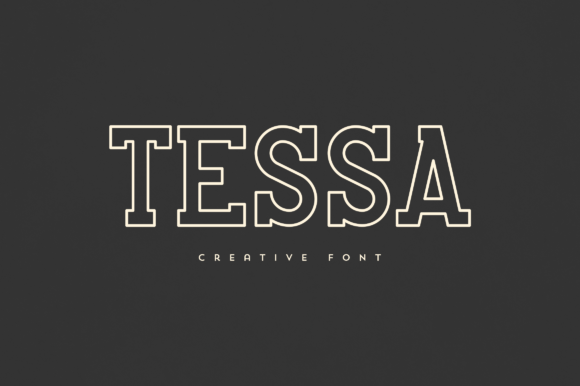
Tessa is a high-quality display font designed to stand out while maintaining a sense of balance and refinement. It features clean lines, subtle serifs, and open letterforms that contribute to its readability and visual appeal. Unlike many standard fonts that can feel generic or overused, Tessa brings a fresh perspective to typographic design, allowing users to craft compelling visuals without compromising on style.
The name itself evokes a sense of personality—Tessa is not just a font; it's a tool that helps designers tell a story. Whether you're working on a luxury brand logo or a minimalist lifestyle poster, Tessa adapts gracefully to different contexts while retaining its signature elegance.
Why Tessa Fits Into Modern Design Trends
Typography trends are shifting toward more expressive and personality-driven fonts. In today’s competitive market, brands need to differentiate themselves visually, and Tessa delivers just that. Its versatility makes it ideal for both print and digital media, which is increasingly important as audiences consume content across multiple platforms.
Branding Projects
For entrepreneurs and marketers launching new ventures, the right font can be the difference between a forgettable logo and one that leaves a lasting impression. Tessa’s balanced proportions and graceful curves make it particularly suitable for logos and brand identities that aim to project trust, creativity, and professionalism. It works well for fashion labels, wellness startups, and boutique services where aesthetics are key.
Home-Ware and Product Packaging
In the realm of home-wares and product packaging, visual harmony is essential. Tessa complements designs with its soft yet bold presence, ensuring text remains legible even when used alongside intricate graphics or photographs. Its adaptability allows it to pair seamlessly with both traditional and contemporary color palettes, helping designers create cohesive and appealing packages that resonate with consumers.
Magazine Headers and Editorial Design
With the rise of independent publishing and digital magazines, there’s a growing demand for fonts that enhance readability and add character. Tessa fits this need perfectly by offering a refined look that elevates headlines and subheadings without overwhelming the reader. Its use in editorial design adds a touch of sophistication that aligns with the premium quality expected by today’s discerning readers.
Why People Are Paying Attention to Tessa
Designers are always on the lookout for tools that can streamline their workflow while adding value to their projects. Tessa has gained traction because it meets these criteria effectively. Here are a few reasons why it’s becoming a go-to font for many professionals:
- Unique Aesthetic: Tessa stands out due to its distinctive character set and subtle variations in stroke weight, giving it a handcrafted feel that is difficult to replicate with standard system fonts.
- High Readability: Despite being a decorative font, Tessa maintains strong readability, especially at larger sizes. This ensures that your message is clear and impactful, regardless of the medium.
- Adaptability Across Platforms: From websites and social media posts to printed materials and signage, Tessa performs consistently well. Its compatibility with various file formats and design software makes it a practical choice for cross-platform use.
- Brand Differentiation: In crowded markets, standing out is crucial. Tessa provides a unique typographic voice that can help businesses carve out a distinct identity and connect more deeply with their audience.
Changing Needs and Expectations in Typography
Modern audiences have higher expectations when it comes to visual storytelling. They seek authenticity, clarity, and emotional resonance in everything they see. As a result, designers are moving away from safe, predictable fonts and embracing those that reflect individuality and purpose.
This shift is driven by several factors:
- Personalization: Consumers want to feel connected to brands through personalized experiences. A font like Tessa contributes to this by enabling designers to create more bespoke and memorable visuals.
- Minimalism Meets Expression: While minimalistic design remains popular, there’s also a growing appreciation for expressive elements. Tessa strikes the perfect balance—offering a bold presence without sacrificing simplicity or elegance.
- Multimedia Consistency: With content being shared across websites, mobile apps, and print, designers must ensure consistency in their typography choices. Tessa supports this by performing reliably across different screen resolutions and print sizes.
Practical Applications of Tessa
To truly understand how powerful Tessa can be, let’s explore some real-world examples:
Logo Design
A boutique skincare brand wanted to convey a sense of purity and luxury. By using Tessa in their logo, they achieved a harmonious blend of softness and strength. The font’s subtle serifs added a touch of refinement, while its openness ensured the logo remained approachable and easy to read—even at smaller sizes.
Product Packaging
A local artisanal coffee company redesigned their packaging using Tessa to highlight the names of their blends. The font’s versatility allowed it to work well with both matte and glossy finishes, and its ability to scale made it effective on everything from small tins to large banners displayed in stores.
Digital Marketing Materials
Freelancers and agencies creating social media campaigns often rely on overlay text to draw attention to key messages. Tessa’s stylish appearance and strong contrast make it ideal for this purpose. When paired with vibrant background images, it enhances visibility and engagement, helping brands communicate their message more effectively.
Connecting Tessa to Larger Industry Developments
Tessa is part of a broader movement in typography toward fonts that are both functional and artistic. As the line between form and function continues to blur, designers are prioritizing typefaces that offer creative expression without compromising usability. This trend reflects the increasing importance of user experience (UX) and user interface (UI) in digital design, where every element must serve a dual purpose—capturing attention and delivering information clearly.
Additionally, the rise of remote work and digital collaboration has increased the demand for fonts that translate well across screens and devices. Tessa’s clean construction ensures it looks sharp whether viewed on a smartphone, tablet, or desktop monitor, supporting seamless communication in virtual environments.
E-Commerce and Branding
As e-commerce continues to grow, so does the need for fonts that reinforce brand values quickly and effectively. Tessa’s elegant structure helps establish credibility and trust—key components of successful online branding. For example, a high-end fashion retailer might use Tessa in their website headers and product descriptions to maintain a consistent tone of sophistication throughout the customer journey.
Sustainability and Lifestyle Brands
Lifestyle and sustainability-focused brands often lean into organic and natural aesthetics. Tessa’s handcrafted feel aligns with these values, making it a popular choice for eco-friendly product lines, wellness apps, and ethical fashion labels. It conveys a sense of care and intentionality that resonates with today’s conscious consumers.
How Tessa Enhances Workflow Efficiency
One of the most significant advantages of Tessa is its ease of integration into existing design workflows. Many designers avoid overly complex or hard-to-read fonts, but Tessa bridges that gap by offering a professional look that doesn’t require excessive tweaking or spacing adjustments. This saves time and effort, especially during tight project deadlines.
Moreover, Tessa is available in multiple weights and styles, including bold, italic, and condensed variants. These options allow for greater flexibility in layout design and hierarchy structuring. For instance, a designer could use the bold variant for a headline and the regular version for body text, all while maintaining a cohesive typographic theme.
Pairing Tessa with Other Fonts
Creating a typographic hierarchy is essential in any design project. Tessa pairs exceptionally well with sans-serif fonts like Montserrat or Open Sans, allowing for a modern and balanced composition. When combined with a more rigid or geometric font, Tessa’s soft curves provide a welcome contrast, enhancing the overall visual interest of the layout.
Conclusion
Tessa is more than just a font—it’s a design enabler that empowers creators to elevate their work with elegance and precision. As industries continue to prioritize authentic and engaging visual communication, Tessa’s unique qualities position it as a valuable asset for anyone looking to leave a lasting impression. Whether you’re designing a brand identity, crafting a magazine spread, or developing digital content, Tessa offers the versatility and sophistication needed to stay ahead in a visually driven world.
By understanding the evolving needs of modern audiences and integrating thoughtful design choices like Tessa, professionals can ensure their work not only looks great but also communicates effectively. In a landscape where first impressions matter, having a font that captures attention and builds trust is essential—and Tessa delivers exactly that.