Abcd Ref Dot Marker: A Fun and Effective Tool for Learning the Print Alphabet
For educators, parents, or anyone interested in making alphabet learning more engaging, the Abcd Ref Dot Marker is a valuable resource. This dotted display font is specifically designed based on the D’Nealian Method, a handwriting style widely used in U.S. schools to help children transition from tracing to writing independently. The Abcd Ref Dot Marker brings this educational approach into digital formats, allowing users to create interactive worksheets, activities, and materials that support early literacy development.
What Is the Abcd Ref Dot Marker?
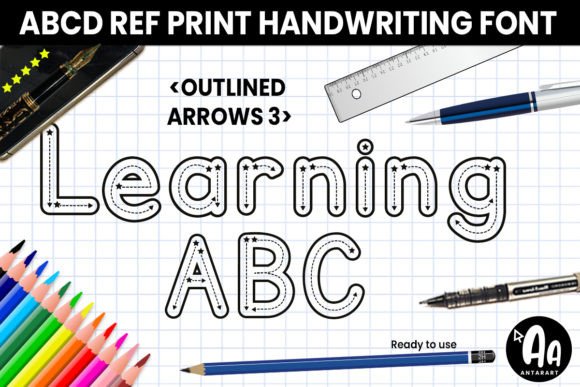
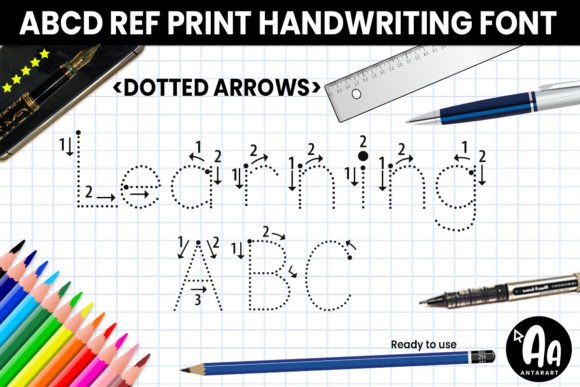
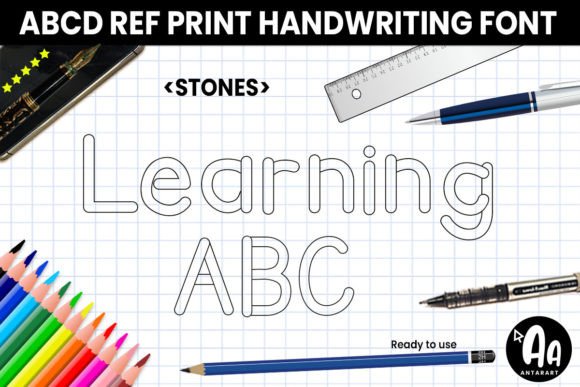
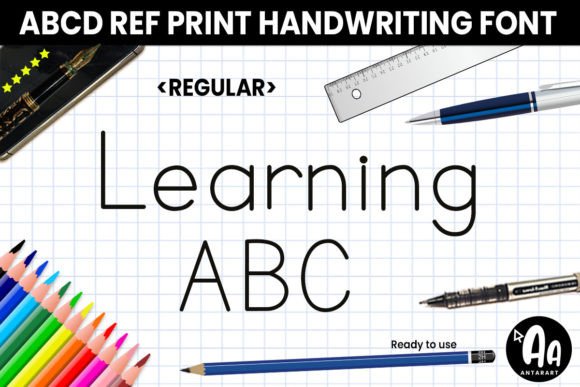
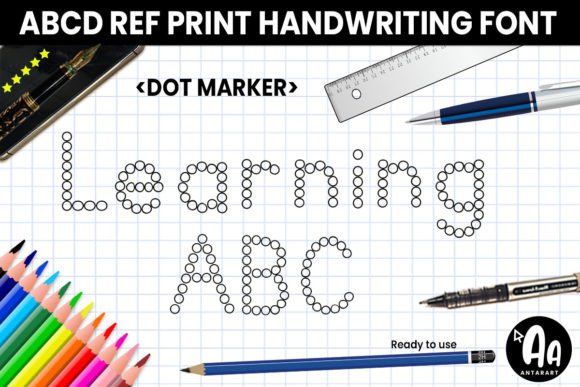
The Abcd Ref Dot Marker is a type of font where each letter is outlined with small reference dots. These dots guide the hand through the correct strokes needed to form each letter, following the D’Nealian style’s structured yet fluid format. Unlike traditional cursive or print fonts, this tool emphasizes muscle memory and proper letter formation by providing visual cues that are essential for young learners.
This font is ideal for creating printable resources such as tracing sheets, flashcards, and educational games. It can be used in conjunction with dot-to-dot markers, pencils, or styluses, making it versatile for both classroom and home settings. By integrating this font into teaching tools, users can make the process of learning to write more intuitive and enjoyable.
Common Challenges in Teaching the Print Alphabet
Teaching the print alphabet is a foundational step in early education, but it comes with its own set of challenges. Many young learners struggle with:
- Proper letter formation and stroke order.
- Lack of motivation or engagement during repetitive practice.
- Differentiating between similar letters (e.g., b/d, p/q).
- Developing fine motor skills required for writing.
These obstacles can lead to frustration for both students and teachers. Additionally, finding effective and varied resources that cater to different learning styles is often time-consuming. The Abcd Ref Dot Marker addresses these issues by offering a consistent visual guide that supports structured learning while keeping the activity interesting and tactile.
How Abcd Ref Dot Marker Can Help
The Abcd Ref Dot Marker provides a clear framework for beginners to follow when practicing their writing. The reference dots serve as a roadmap, helping students understand the direction and sequence of strokes without overwhelming them with complexity. This makes it easier to build confidence and accuracy over time.
Moreover, using this font allows for customization. Educators can design worksheets that focus on specific letters, phonics concepts, or even combine letters with images and stories to enhance retention. Parents can use it to create fun at-home activities that reinforce what their child learns in school, ensuring continuity and support.
One of the standout features of the Abcd Ref Dot Marker is its ability to adapt to various learning environments. Whether you're working with a single student or a classroom full of children, the font helps maintain a uniform standard of letter formation. This is especially useful for special education settings or when supporting children with dysgraphia or other learning differences that affect writing skills.
Practical Applications and Outcomes
There are many ways to implement the Abcd Ref Dot Marker in your teaching or parenting toolkit. Here are some practical applications:
1. Tracing Worksheets
Create custom tracing sheets where students can follow the dotted lines to form each letter correctly. These can be used for daily practice and gradually introduce new letters as the learner progresses.
2. Flashcards and Matching Games
Use the font to design flashcards with both uppercase and lowercase letters. Pair them with matching games that ask students to find letters that look alike or have the same starting sound. This reinforces visual recognition and phonemic awareness.
3. Interactive Digital Activities
Incorporate the Abcd Ref Dot Marker into online platforms or apps that allow kids to trace letters on a screen using a stylus or finger. These digital tools can provide instant feedback and track progress over time.
4. Themed Learning Materials
Design worksheets around themes like animals, space, or seasons. For example, you could have a worksheet with the word "cat" written in the font, and students trace each letter before drawing a cat or identifying the letter sounds.
5. Multisensory Learning
Combine the visual aspect of the Abcd Ref Dot Marker with auditory and kinesthetic elements. Ask students to say the letter name and sound as they trace it, then move their bodies in shapes that mimic the letter (like arching arms for an "A").
By consistently using the Abcd Ref Dot Marker, students can improve their handwriting fluency, letter recognition, and spelling abilities. Over time, these foundational skills translate into better reading comprehension and overall academic performance.
Recommendations for Using Abcd Ref Dot Marker Effectively
To get the most out of the Abcd Ref Dot Marker, consider the following tips:
- Start with basics: Introduce one letter at a time, focusing on its shape, sound, and correct formation. Use the dots as a guide for stroke order.
- Encourage repetition: Repetition is key in developing muscle memory. Provide multiple opportunities to trace each letter until it becomes second nature.
- Make it interactive: Add colors, stickers, or stamps after students complete their tracing. This rewards effort and adds a creative element to the task.
- Integrate with phonics: Pair each letter with corresponding words or pictures. This helps connect letter formation with meaning and pronunciation.
- Track progress: Keep a portfolio of student work to show improvement. Celebrating milestones can boost confidence and encourage continued effort.
Additionally, pairing the Abcd Ref Dot Marker with other multisensory techniques—such as sand trays, magnetic letters, or clay modeling—can further enhance the learning experience. The goal is to engage multiple senses to reinforce learning and make it memorable.
Considerations When Choosing Resources
When selecting materials or designing your own using the Abcd Ref Dot Marker, keep these considerations in mind:
- Age appropriateness: Ensure that the difficulty level matches the learner's developmental stage. Younger children may benefit from larger dots and simpler layouts, while older ones might handle smaller dots and more complex tasks.
- Accessibility: Choose high-contrast colors and easy-to-print formats to accommodate all learners, including those with visual impairments or motor skill challenges.
- Consistency: Stick to the D’Nealian method’s structure when using the font. Deviating from the correct stroke order can confuse students and hinder progress.
- Engagement: Add variety to your worksheets. Incorporate puzzles, mazes, and coloring pages to break up monotony and maintain interest.
Also, consider the purpose of each activity. Are you aiming to teach letter recognition, phonics, or handwriting? Tailoring your approach ensures that the Abcd Ref Dot Marker serves as an effective tool rather than just a decorative font.
Who Benefits Most from the Abcd Ref Dot Marker?
While the Abcd Ref Dot Marker is particularly beneficial for young learners, it can also be a helpful tool for others, such as:
- Preschool and kindergarten teachers: They can integrate the font into lesson plans to create structured writing activities that align with curriculum goals.
- Parents homeschooling their children: The font offers a reliable way to teach handwriting without requiring formal training in pedagogy.
- Speech and language therapists: They can use the font to help students associate letter shapes with sounds, aiding in reading readiness.
- Occupational therapists: The tracing exercises supported by the Abcd Ref Dot Marker can help improve fine motor control and hand-eye coordination.
- Students with learning disabilities: The clear guidance provided by the dots can reduce anxiety and confusion, making the learning process less daunting.
Each user group may approach the font differently, depending on their goals. Teachers might prioritize classroom efficiency and curriculum integration, while parents may focus on fun and creativity. Regardless of the approach, the Abcd Ref Dot Marker remains a flexible and powerful resource.
Getting Started with Abcd Ref Dot Marker
If you’re ready to incorporate the Abcd Ref Dot Marker into your teaching or learning routine, here’s how to begin:
- Download the font: Search for the Abcd Ref Dot Marker font online and download it to your computer or device. Make sure it’s compatible with your software (e.g., Microsoft Word, Google Docs, Adobe Illustrator).
- Select a platform: Decide whether you’ll be using the font for printed materials, digital activities, or both. Each format has its own advantages and can be used interchangeably for reinforcement.
- Plan your activities: Think about what kind of learning outcomes you want to achieve. Will you focus on uppercase letters first? Include numbers or sight words later on?
- Create and customize: Use the font to generate tracing sheets, quizzes, or story-based worksheets. Personalizing content can increase engagement and relevance for students.
- Evaluate and adjust: Observe how your learners respond and modify your approach as needed. Some may need more repetition, while others may grasp the concept quickly.
With these steps, you can start leveraging the Abcd Ref Dot Marker to turn alphabet learning into a dynamic and rewarding experience.
Why Choose Abcd Ref Dot Marker?
Choosing the right tools for early education can significantly impact a child’s learning journey. The Abcd Ref Dot Marker stands out because it combines educational best practices with an interactive format that keeps students engaged. Its foundation in the D’Nealian Method ensures that learners are guided toward forming letters correctly, which is crucial for long-term handwriting success.
Beyond the classroom, this font can be a great addition to any parent’s collection of educational resources. Whether you're looking to supplement your child’s schoolwork or simply provide extra practice at home, the Abcd Ref Dot Marker makes it easy to do so in a way that feels less like a chore and more like a game.
Its versatility also means that it can grow with the learner. As children become more confident in their writing, you can shift from tracing to independent writing using the same letter shapes and formations. This consistency helps build familiarity and reduces the need to relearn proper techniques later on.
Conclusion
The Abcd Ref Dot Marker is more than just a font—it’s a learning strategy that simplifies the process of mastering the print alphabet. By providing visual guidance and encouraging hands-on interaction, it supports a wide range of learners and fits seamlessly into both educational and personal teaching contexts.
Whether you're an educator looking for fresh ideas, a parent wanting to assist your child, or a professional seeking tools to aid in therapy sessions, the Abcd Ref Dot Marker offers a practical solution. With thoughtful implementation and a focus on individual needs, this resource can transform how students learn and interact with the alphabet, setting them up for future reading and writing success.