Comic Style: A Fun and Cool Display Font
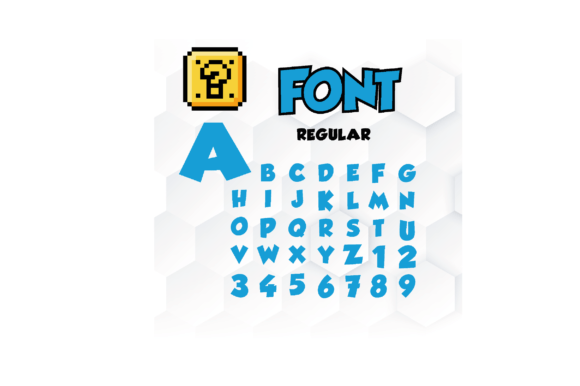
Comic Style is a display font that captures the playful essence of comic book lettering while maintaining a modern, stylish edge. Designed to evoke nostalgia and creativity, it’s perfect for projects where you want to add character, energy, and a sense of fun. Whether you're creating digital content, print materials, or branding assets, Comic Style brings a unique visual flair that stands out.
Why Comic Style Matters to Different Audiences
Fonts aren’t just about aesthetics—they communicate tone, personality, and purpose. For some, Comic Style might be an eye-catching tool for marketing; for others, it could be a way to express artistic freedom. Let’s explore how different professionals and enthusiasts might find value in this distinctive typeface.
For Beginners: Easy to Use and Instantly Appealing
If you’re new to design, Comic Style can be your go-to font when you need something bold and expressive without the complexity of intricate typography. Its clear structure and recognizable style make it easy to integrate into presentations, posters, or social media graphics. Just apply it to headlines or callouts and watch how it instantly elevates your work with minimal effort.
- Use in school projects or hobby blogs to grab attention.
- Pair with simpler sans-serif fonts for balance in text-heavy designs.
- Experiment with color and spacing to match its energetic vibe.
For Creators and Designers: A Tool for Creative Expression
Comic Style offers creators a chance to blend retro charm with contemporary appeal. It works especially well in editorial design, such as zines, comics, or themed websites. The font’s whimsical nature makes it ideal for illustrations, animated titles, or storyboards where a dynamic feel is essential.
- Try it in character introductions for short films or animations.
- Layer it with textures or gradients to enhance visual storytelling.
- Use it sparingly in logos to add a quirky yet professional touch.
For Educators and Presenters: Engaging Visuals for Learning Materials
Educators looking to make learning more engaging may appreciate Comic Style’s ability to spark interest in students. When used in lesson plans, infographics, or interactive whiteboard displays, it helps break up dense information and adds a lighthearted tone that can improve retention and engagement.
Example: In a history class focusing on the golden age of comics, using Comic Style in presentation headers or timeline labels can create a thematic connection and help students connect emotionally with the material.
For Entrepreneurs and Small Business Owners: Standing Out with Personality
In competitive markets, brand identity plays a crucial role. Comic Style can help entrepreneurs differentiate their products by adding a memorable visual element. Think packaging for kids’ toys, event flyers for a comic-themed café, or promotional banners for pop culture events—this font can become part of your brand’s voice.
Tip: Always consider legibility. While Comic Style is great for headlines and short bursts of text, it’s not recommended for body copy due to its stylized form.
For Marketers and Bloggers: Capturing Attention in Content
Marketers often rely on visuals to convey messages quickly. Comic Style can serve as a powerful attention-grabber in blog posts, email campaigns, or social media content. It’s particularly effective in industries like entertainment, gaming, or youth-oriented brands where a fun and vibrant tone is key.
Practical use: Add Comic Style to YouTube thumbnails, Instagram captions, or newsletter subject lines to make them stand out in crowded feeds.
How to Choose if Comic Style Fits Your Project
Deciding whether to use Comic Style depends on several factors, including your project’s tone, audience expectations, and the platform where it will appear. Here are a few questions to ask yourself before making the choice:
- Does my project benefit from a playful or nostalgic look?
- Will the font maintain readability at the intended size and placement?
- Is the audience likely to perceive the font as appropriate for the message?
Project Types That Shine with Comic Style
Comic Style excels in environments where visual impact and mood matter most. Consider these scenarios:
- Product Packaging: Ideal for novelty items, children's products, or collectibles.
- Event Branding: Perfect for festivals, conventions, or themed parties.
- Digital Media: Works wonders in web headers, app icons, or animated videos.
- Print Media: Great for posters, comic books, or magazine covers.
When to Avoid Comic Style
While Comic Style is versatile, it’s not suitable for all contexts. Avoid using it in formal reports, legal documents, or anywhere clarity and professionalism take precedence over creativity. Also, ensure sufficient contrast between the font and background to maintain readability, especially in print or low-resolution formats.
Exploring Key Priorities for Using Comic Style
Each user has different priorities when selecting a font. Understanding how Comic Style aligns with those goals can help you make a more informed decision.
Quality and Flexibility
Comic Style is crafted with high-quality glyphs and ligatures, ensuring it looks sharp across both digital and print platforms. Its flexibility allows designers to adjust weight, spacing, and even apply effects like outlines or shadows to suit their creative vision.
Cost and Commercial Use
Comic Style is available through various font marketplaces, each offering different licensing options. Some versions may be free for personal use, while commercial licenses require payment. Before purchasing, always check the license agreement to confirm whether it supports your specific needs, such as web embedding or multi-user access.
Presentation and Speed
In fast-paced environments like live events or time-sensitive marketing campaigns, Comic Style provides quick visual impact without requiring complex formatting. Its bold presence ensures your message is noticed immediately, which is invaluable in attention-driven industries.
Reliability and Long-Term Use
Comic Style is reliable in terms of rendering consistency across devices and browsers. However, because it’s a decorative display font, long-term usability should be evaluated based on context. If you're building a website or app that requires frequent updates or multilingual support, opt for a more functional secondary font alongside Comic Style for better scalability.
Comic Style in Real-World Projects
Let’s look at a few real-world examples to understand how Comic Style can be applied effectively:
Example 1: A Kids' Clothing Brand
A small business selling graphic tees for children uses Comic Style in product names and taglines. The font’s cartoonish appearance appeals to young buyers while giving the brand a friendly and approachable image for parents browsing online.
Example 2: An Online Gaming Channel
A YouTuber specializing in retro video game reviews incorporates Comic Style into their intro title cards and episode thumbnails. The font evokes a sense of nostalgia and fits the channel’s theme perfectly, helping attract a dedicated fanbase.
Example 3: A Themed Restaurant Promotion
To promote a superhero-themed restaurant launch, marketers use Comic Style in the promotional poster’s headline and hero section. This creates immediate visual interest and reinforces the theme in a way that feels authentic and immersive.
Getting Started with Comic Style
Adding Comic Style to your next project doesn’t have to be complicated. Here’s how to start:
- Download the font from a trusted source like Google Fonts, Adobe Fonts, or a direct purchase from a designer’s site.
- Install it on your computer or embed it directly into your website using CSS.
- Use it in headlines, buttons, or any other area where a bold statement is needed.
- Test how it looks across different screens and resolutions to ensure optimal performance.
Comic Style vs. Other Display Fonts
Comic Style isn’t the only display font available, but its unique blend of retro and modern styles gives it a distinct advantage in certain niches. Compared to more traditional serif or sans-serif fonts, Comic Style adds a layer of personality that can transform ordinary layouts into visually compelling ones.
However, it’s important to choose the right font for the right job. For instance, a font like Montserrat might offer greater versatility for body text, whereas Comic Style is better suited for headlines and accents. Mixing both types can lead to a balanced, dynamic design.
Final Thoughts on Finding the Right Fit
Comic Style is more than just a font—it’s a design element that can shape how your audience perceives your message. Whether you’re a beginner looking to experiment or a seasoned designer aiming to inject some fun into your latest project, Comic Style offers a unique opportunity to elevate your work.
Before committing, evaluate your goals and audience. Ask yourself what impression you want to leave and whether Comic Style aligns with that vision. With thoughtful application, it can become a valuable asset in your creative toolkit.