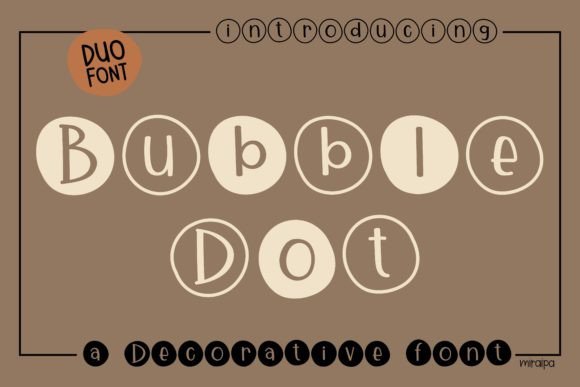
The Adorable Versatility of Bubble Dot: A Font for Every Creative Need
Fonts are more than just tools for communication—they are the visual heartbeat of any design. When it comes to making a warm, inviting impression, few fonts can match the charm and character of Bubble Dot. This playful yet elegant display font has quickly gained popularity among designers, educators, hobbyists, and business owners alike. With its soft curves and bubbly personality, Bubble Dot brings a sense of joy and whimsy to any project without compromising on clarity or style.
Understanding the Characteristics of Bubble Dot
Bubble Dot is a sans-serif typeface that blends the innocence of hand-drawn letters with the precision of digital typography. Its rounded edges and open shapes create an approachable and friendly vibe, making it especially well-suited for projects that aim to connect emotionally with their audience. The font's unique dot-based structure adds a subtle texture to each letterform, giving it a distinctive identity that stands out in both print and digital formats.
One of the most striking features of Bubble Dot is its balance between fun and professionalism. While many display fonts lean too heavily into one extreme—either overly decorative or rigidly formal—Bubble Dot manages to sit comfortably in the middle. It’s versatile enough to be used in casual greeting cards and equally appropriate for branded content that needs to maintain a lighthearted tone.
Why Bubble Dot Works Across Multiple Platforms
In today’s digital-first world, having a font that adapts to various mediums is crucial. Bubble Dot excels in this area due to its clean lines and high contrast, which ensure legibility even at smaller sizes. Whether you're designing a website banner, a social media post, or a printed poster, the font retains its charm and readability across different resolutions and backgrounds.
Its adaptability also extends to color usage. Because of the openness in its design, Bubble Dot works beautifully with gradients, outlines, and even solid fills. Designers often use it as a focal point in layered compositions, where its softness contrasts with bolder elements to draw attention without overwhelming the viewer.
Practical Applications of Bubble Dot
Bubble Dot’s appeal lies not only in its aesthetic but also in its wide range of applications. Here are some of the most common ways professionals and creatives incorporate this font into their work:
- Craft Projects: From scrapbooking to DIY home decor, Bubble Dot is a favorite among crafters who want to add a personal touch to their designs.
- Digital Design: Graphic designers use it for app interfaces, branding materials, and online marketing campaigns where a cheerful tone is desired.
- Presentations: Educators and corporate trainers choose Bubble Dot for title slides when aiming to engage younger audiences or make learning feel more interactive.
- Greeting Cards: Wedding invitations, birthday cards, and thank-you notes all benefit from the font’s warm and inviting appearance.
- Merchandise: T-shirts, mugs, and tote bags often feature Bubble Dot to give products a modern, youthful look.
Case Study: Bubble Dot in Branding
A small bakery recently rebranded using Bubble Dot as part of its logo and packaging design. The goal was to convey a sense of community and warmth while standing out in a competitive market. By pairing Bubble Dot with minimalist layouts and pastel colors, the brand successfully created a visual identity that resonated with customers of all ages. The font became a signature element, instantly recognizable and deeply associated with the brand’s personality.
Advantages of Choosing Bubble Dot
When selecting a font for a creative project, it’s important to consider how it aligns with your goals. Bubble Dot offers several advantages that make it a compelling choice:
- High Visual Appeal: The font’s soft, rounded forms evoke feelings of happiness and comfort, making it ideal for projects targeting emotional engagement.
- Exceptional Readability: Despite its playful nature, Bubble Dot maintains excellent legibility, ensuring your message remains clear and accessible.
- Customization Potential: With multiple weights and styles available, designers can tailor the font to suit specific aesthetics or emphasize key elements within a layout.
- Wide Format Compatibility: It works seamlessly in both print and digital environments, adapting well to screens, paper, and fabric.
- Uniqueness Without Overcomplication: Unlike highly stylized fonts that may limit usability, Bubble Dot offers a fresh take without sacrificing functionality.
Observations on User Experience
From a user experience standpoint, Bubble Dot helps reduce cognitive load by maintaining a simple and intuitive visual hierarchy. Its lack of sharp angles and consistent stroke widths contribute to a smoother reading flow, especially when used in headers or short text blocks. However, it should generally be avoided in long-form body text, as its stylized nature may hinder extended readability.
Considerations for Effective Use
To maximize the impact of Bubble Dot in your designs, it’s essential to understand how best to pair it with other typographic elements. A strong complementary font can enhance the overall composition and prevent the design from becoming visually cluttered. For example, pairing Bubble Dot with a sleek serif font like Georgia or a modern sans-serif like Roboto creates a balanced contrast that highlights the strengths of both typefaces.
Another consideration is the context in which the font is being used. In professional settings, such as corporate reports or legal documents, Bubble Dot may not be suitable. But in educational infographics, children’s books, or lifestyle blogs, it shines. Understanding your audience and the purpose of your content will help determine whether Bubble Dot is the right fit.
Accessibility and Legibility
While Bubble Dot is undeniably cute, accessibility must always be a priority in design. To ensure inclusivity, avoid using it in situations where clarity could be compromised. Consider using it sparingly for headings or accents rather than full paragraphs. Additionally, always provide alt-text and ensure sufficient color contrast when using the font online.
Real-World Relevance and Trends
As trends in design continue to evolve, so does the demand for fonts that reflect contemporary tastes. Bubble Dot has become increasingly relevant in recent years due to the rise of retro-inspired and "kawaii" (cute) aesthetics in branding and digital media. Its nostalgic feel appeals to those looking to evoke childhood memories or a sense of lighthearted fun.
Moreover, the font fits naturally into the growing trend of minimalism and soft-core design. Rather than relying on loud visuals or aggressive typography, many brands now prefer subtle, inviting designs that speak directly to the heart. Bubble Dot supports this movement by offering a gentle yet expressive visual language.
Examples in Everyday Life
Take, for instance, a popular children’s book series that uses Bubble Dot throughout its covers and illustrations. The font’s playful energy aligns perfectly with the target demographic, helping to build a strong emotional connection between the reader and the story. Similarly, a wellness influencer might use it in Instagram captions to soften the tone of health advice, making it feel less clinical and more approachable.
Implementation Tips for Bubble Dot
If you’re new to working with display fonts like Bubble Dot, here are some tips to help you integrate it effectively into your workflow:
- Use it for headlines and titles: Its bold presence makes it perfect for grabbing attention without overwhelming the rest of the layout.
- Pair it with contrasting fonts: As mentioned earlier, combining it with a more traditional font can help maintain a professional balance.
- Experiment with spacing: Adjusting letter and word spacing can significantly affect how the font is perceived. Too tight, and it becomes hard to read; too loose, and it loses its cohesive charm.
- Test on multiple devices: Ensure that your design looks good on desktops, tablets, and mobile phones. Display fonts can sometimes render inconsistently depending on screen resolution.
- Stay mindful of licensing: Always verify that you have the appropriate rights to use Bubble Dot for commercial purposes, especially if you're planning to sell merchandise or use it in client projects.
Workflow Integration
Many designers find it helpful to include Bubble Dot early in the design process. Start by setting the mood with the font, then layer in supporting elements such as photography, icons, or secondary text. Tools like Adobe Photoshop, Illustrator, Canva, and Figma allow for easy integration and manipulation of the font, enabling users to adjust size, weight, and color dynamically.
Bubble Dot and the Creator Economy
With the rise of the creator economy, independent artists, YouTubers, and influencers are constantly seeking tools that help them stand out. Bubble Dot has become a go-to font for those creating content for niche audiences, especially in categories like lifestyle, fashion, and home décor. Its ability to blend cuteness with clarity makes it a powerful asset in building a distinct visual brand.
For instance, a YouTube channel focused on DIY crafts uses Bubble Dot in its thumbnails and video intros. The font immediately signals a creative, hands-on vibe, encouraging viewers to click and explore. In this way, Bubble Dot isn’t just a font—it’s a strategic tool that helps creators communicate their message more effectively.
Collaboration and Community
Designers and typographers often share insights about Bubble Dot in online forums and social media groups. These discussions highlight how the font is being adapted across cultures and industries. Some users modify it slightly to better suit local languages or regional aesthetics, showing how adaptable and beloved the font has become in the global design community.
Conclusion
Bubble Dot continues to prove itself as a valuable addition to the typographer’s toolkit. Whether you're crafting a heartfelt greeting card or designing a modern app interface, the font offers a unique combination of style and substance. Its widespread appeal across diverse fields speaks to its effectiveness and versatility.
By understanding its characteristics and limitations, you can harness the power of Bubble Dot to create engaging, memorable designs. As trends shift toward softer, more expressive typography, Bubble Dot is likely to remain a favorite for years to come. So next time you need a font that’s both functional and fun, consider reaching for Bubble Dot—it just might become your new favorite.